1601438041344


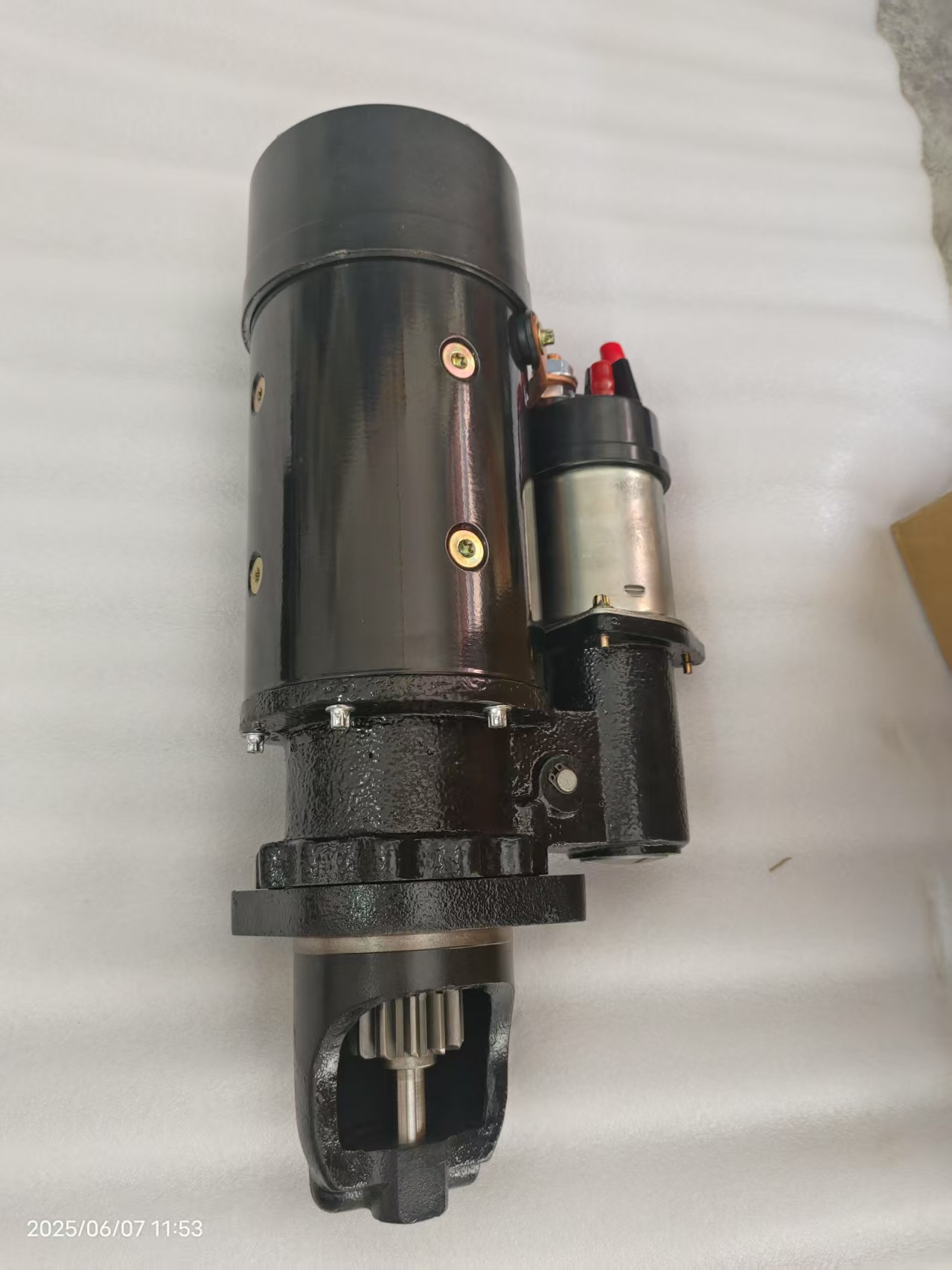
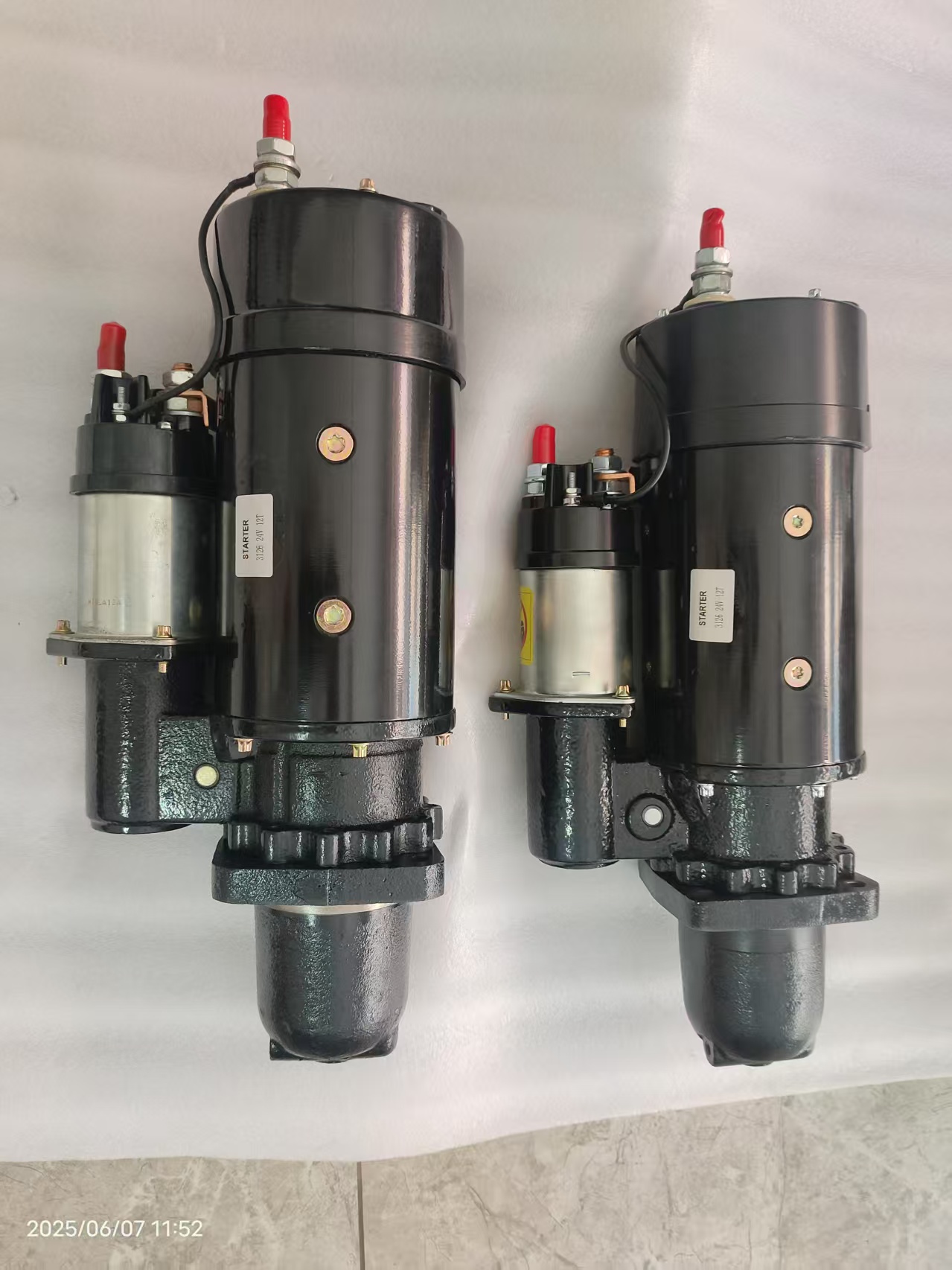
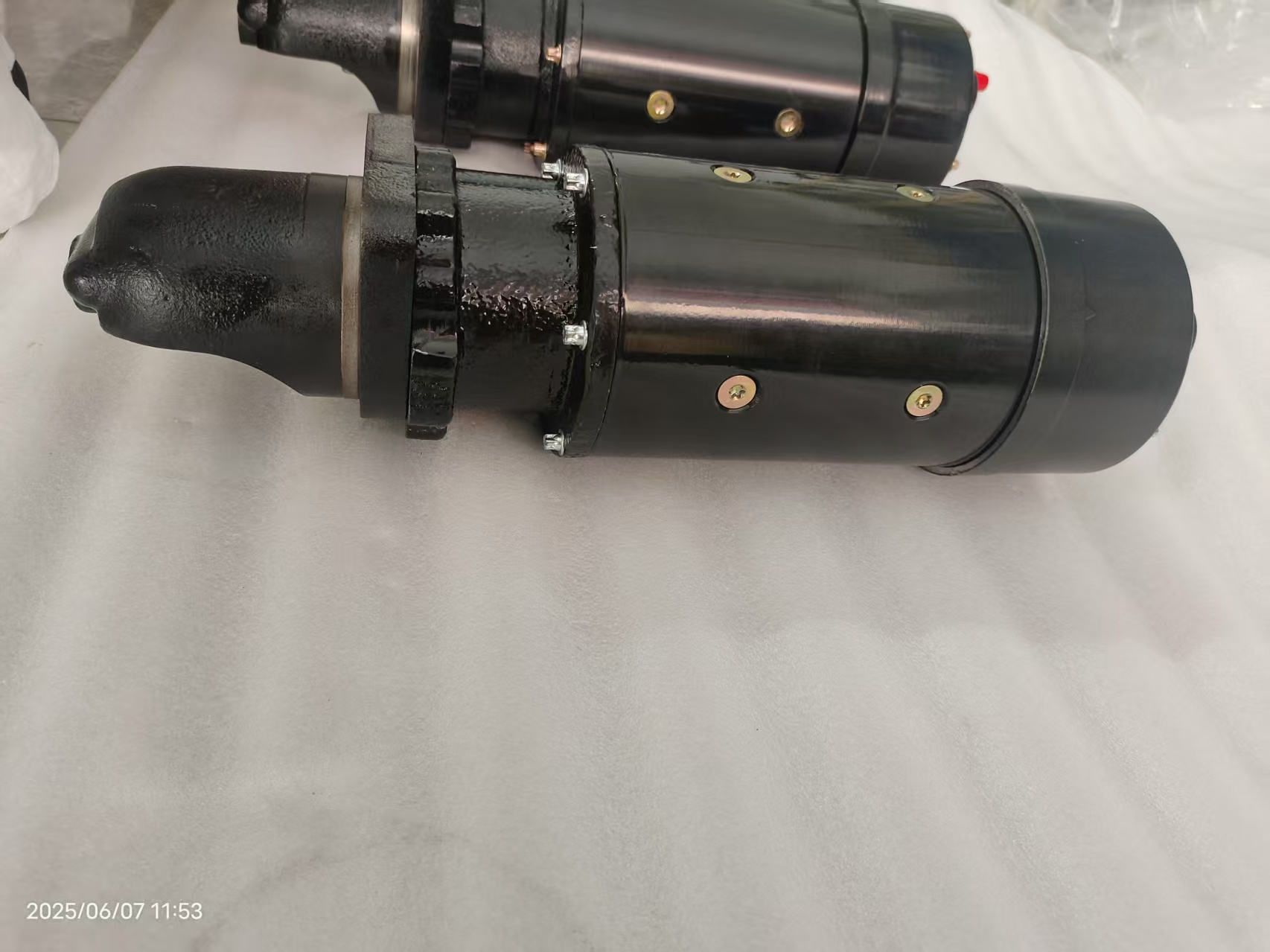
This 24V starter motor is the cranking unit for the Caterpillar 3126 engine and for the 3116, C7 and C9 engines that share its mounting and drive pattern in excavators, wheel loaders and stationary power packs. Twelve teeth on the drive pinion engage the flywheel ring gear, the solenoid throws the pinion forward, and the motor spins the engine fast enough for the fuel system to fire it.
Cold-start performance is what separates a healthy starter from a tired one. On a cat excavator engine, the first sign of trouble is a slower crank: an engine that used to catch on the first turn starts to need two or three attempts, and the batteries usually get blamed first. This unit is the direct replacement for the motor that has stopped delivering that speed — worn brushes, burnt solenoid contacts or a chewed pinion are the usual reasons the original comes off the block.
It suits the fitter pulling a dead motor out of a machine on site, the workshop rebuilding a Caterpillar diesel engine on the bench, and the parts counter restocking a fast-moving number for the next breakdown. Ordering is by reference number rather than by machine model alone, because the same engine family can carry more than one starter build across different applications and build years.
| Specification | Detail |
|---|---|
| Condition | New |
| Product name | Excavator accessories |
| Part name | Starting motor 0-24000-0270 |
| Voltage and drive | 24V, 12-tooth pinion |
| Engine coverage | Caterpillar 3126, 3116, C7 and C9 |
| Brand name | lanxin |
| Place of origin | China |
| Warranty | 6 months |
| Marketing type | Ordinary Product |
| Video outgoing inspection | Provided |
| Machinery test report | Provided |
| Applicable industries | Building Material Shops, Machinery Repair Shops, Manufacturing Plant, Retail, Construction works , Energy & Mining, Other |
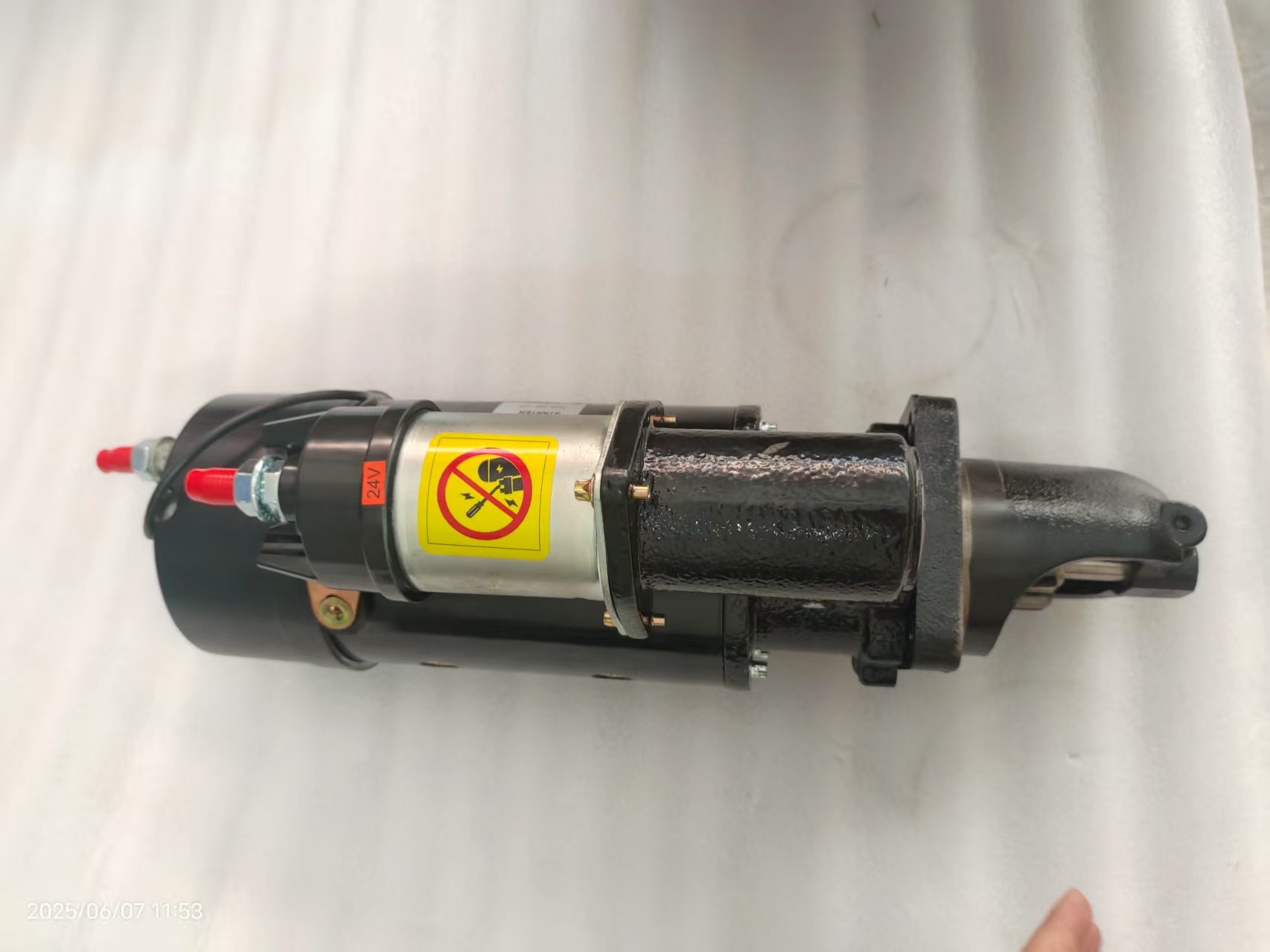
A starter rarely fails without warning. The usual sequence is a slower crank than last month, then a single heavy click with nothing turning, then nothing at all. Solenoid chatter — a rapid ticking when you turn the key — normally points at low battery voltage or a bad earth rather than a dead motor, so check the batteries, the master switch and the earth strap before condemning the starter and ordering a replacement from a cat parts dealer.
By the time a motor comes off a CAT excavator engine, the cause is usually inside it: brushes worn to their limit, solenoid contacts burnt away, a drive clutch that slips under load, or a pinion chewed by a damaged ring gear. Dust, heat and constant stop-start work in a quarry or on a road job all shorten the life of those parts, and a starter that has been heat-soaked by a leaking exhaust joint often fails long before its electrical life is used up.
On a Caterpillar diesel engine, slow cranking also shows up as poor cold starting, white smoke and repeated attempts before the engine catches, which is easy to misread as a fuel problem. If the batteries hold charge, the cables are sound and the motor still drags, replacing the starter is the cheaper route — and replacing it before the pinion damages the ring gear is cheaper again.
Rebuilding is worth considering when the housing and windings are sound, but a rebuilt unit is only as good as the cat engine parts inside it. For a machine that has to go back to work the same day, a new replacement with a known reference number removes the guesswork.
| Item | Detail |
|---|---|
| Selling unit | Single item |
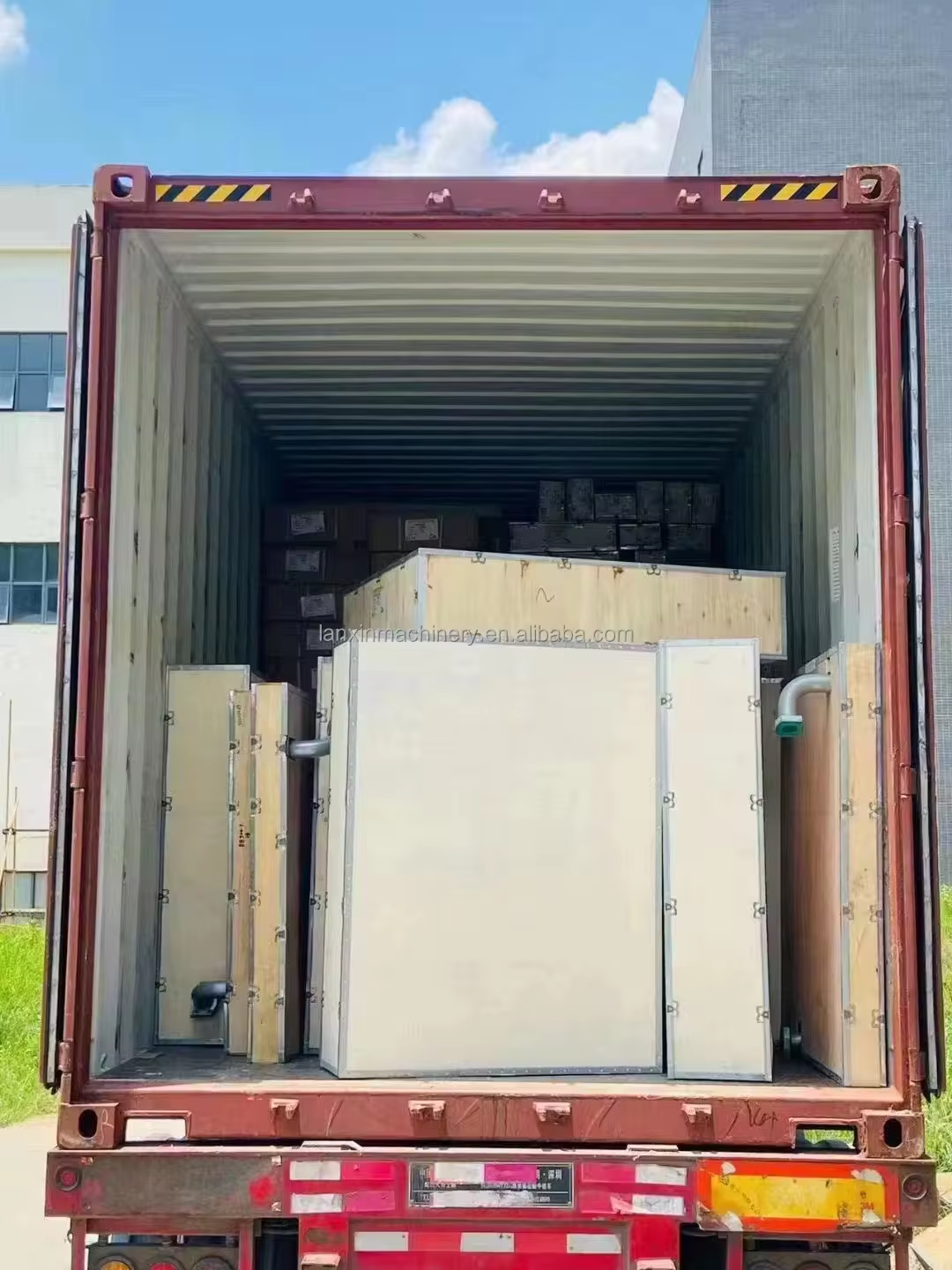
| Package size | 40X15X20 cm |
| Gross weight | 25.000 kg |
| Lead time | Confirmed on your quotation |
| Delivery terms | FOB, CFR, EXW, FAS, FCA, CPT, DDP, DDU, DAF, DES |
| Payment currency | USD, EUR, CAD, AUD, GBP, CNY |
| Payment types | T/T, MoneyGram, Western Union |
| Languages | English, Chinese, Spanish, Japanese, Portuguese |
| Shipping | Exports to Asia, Europe, Africa, the Americas and Oceania |
The machinery test report and the outgoing inspection video are the two documents that travel with this starter. The report is what your workshop files with the job card; the video is the fastest way to confirm that the unit that was tested is the unit in the box, which matters when an order is split across several machines or several weeks.
For customs and stock records, ask for the packing list and the commercial invoice to match the shipped dimensions before the carton leaves. Buyers who fit the starter as part of a bigger rebuild often have the same order carry the gaskets, filters and other cat engine parts they need, so one set of documents covers the whole repair.
Counters and resellers usually want the reference numbers in a form they can hand to a colleague. A CAT parts dealer or an independent shop can keep the cross-reference list on file so the next breakdown is matched in minutes instead of by photograph. Tell us which format your team works with and we will include it with your order confirmation.
Choosing the right reference is where most orders succeed or fail, so our team works with you before you commit: send the equipment details and the numbers you already have, and we will cross-check them against the options our supplier network holds, confirm the details that decide fitment, and suggest an alternative when a number has been replaced. After delivery we stay reachable by email, phone and video for installation questions and fault-finding. Founded in 2008 and based in Guangzhou, we export to Asia, Europe, Africa, the Americas and Oceania.
It is the 24V, 12-tooth starter listed for the Caterpillar 3126 engine, the 3116, the C7 and the C9. In practice those engines sit in excavators, wheel loaders and industrial power units, so the same starter family turns up across several machine models. Because one engine family can be dressed differently between build years and applications, match the reference number stamped on your old unit first, then confirm the flange, solenoid position and terminal layout against the new one.
Sometimes, but it is the slow way. If the number has worn off the housing, photograph the old starter from four angles — flange, nose cone, terminal posts and solenoid — and measure the pinion offset and tooth count. Send that with the engine model and machine serial and we will narrow the options down. It is still worth checking the parts book for one of the four reference numbers before you do.
Every unit ships new, as the specifications state. We do not describe it as genuine OEM: it is an aftermarket replacement built to the listed reference numbers, which is what most workshops are buying when a machine is out of warranty and needs to be back at work. As a diesel engine parts supplier we list the condition plainly so you know exactly what is arriving on the pallet.
Not automatically. Both appear in this starter's coverage and they share much of the same installation envelope, but the drive and solenoid details can differ between applications. Order by the reference number on the unit you are replacing, and if you are moving a starter between engine models, compare the old and new units side by side before fitting.
Almost always something outside the motor: a worn ring gear that chews the pinion, a corroded earth strap that forces current through a poor path, loose terminal nuts, or a battery pack that cannot hold voltage under load. Fitting a new starter without fixing those will reproduce the same failure. Check the ring gear through the inspection opening and clean the mounting face before the new unit goes on.
No. This is a 24V unit, and the 12T in the title refers to the 12-tooth drive pinion, not to voltage. Fitting a 24V starter to a 12V system, or the reverse, will damage the motor and the wiring around it. Check the battery configuration and the voltage on the old unit's label before ordering.